Envision
The Future of Maritime Logistics: How Smart Ports Are Shaping Global Trade in 2025
Table of Contents
1. Introduction
2. What Is A Smart Port?
3. How Does A Port Become Smart?
4. What Are Smart Port Technologies?
5. Benefits Of Smart Port
6. Top 5 Ways Smart Ports Are Revolutionizing Global Trade In 2025
7. How Are Smart Ports Revolutionizing Maritime Logistics?
8. Conclusion: Embracing The Future With Smart Ports And The Digital Transformation Of Global Trade
Maritime shipping industry plays a critical role in connecting nations, facilitating trade, and driving economic growth. As the world becomes increasingly interconnected and the volume of global trade grows, ports face mounting pressure to keep up with demand while ensuring safety, sustainability, and efficiency.
Enter the age of Smart Ports—a revolutionary shift in the way ports operate and interact with the world. By harnessing the power of cutting-edge technologies like Artificial Intelligence (AI), Big Data, the Internet of Things (IoT), blockchain, and 5G,Smart Ports are transforming the maritime logistics industry, ensuring that ports remain the efficient, sustainable backbone of global trade.
What Is a Smart Port?
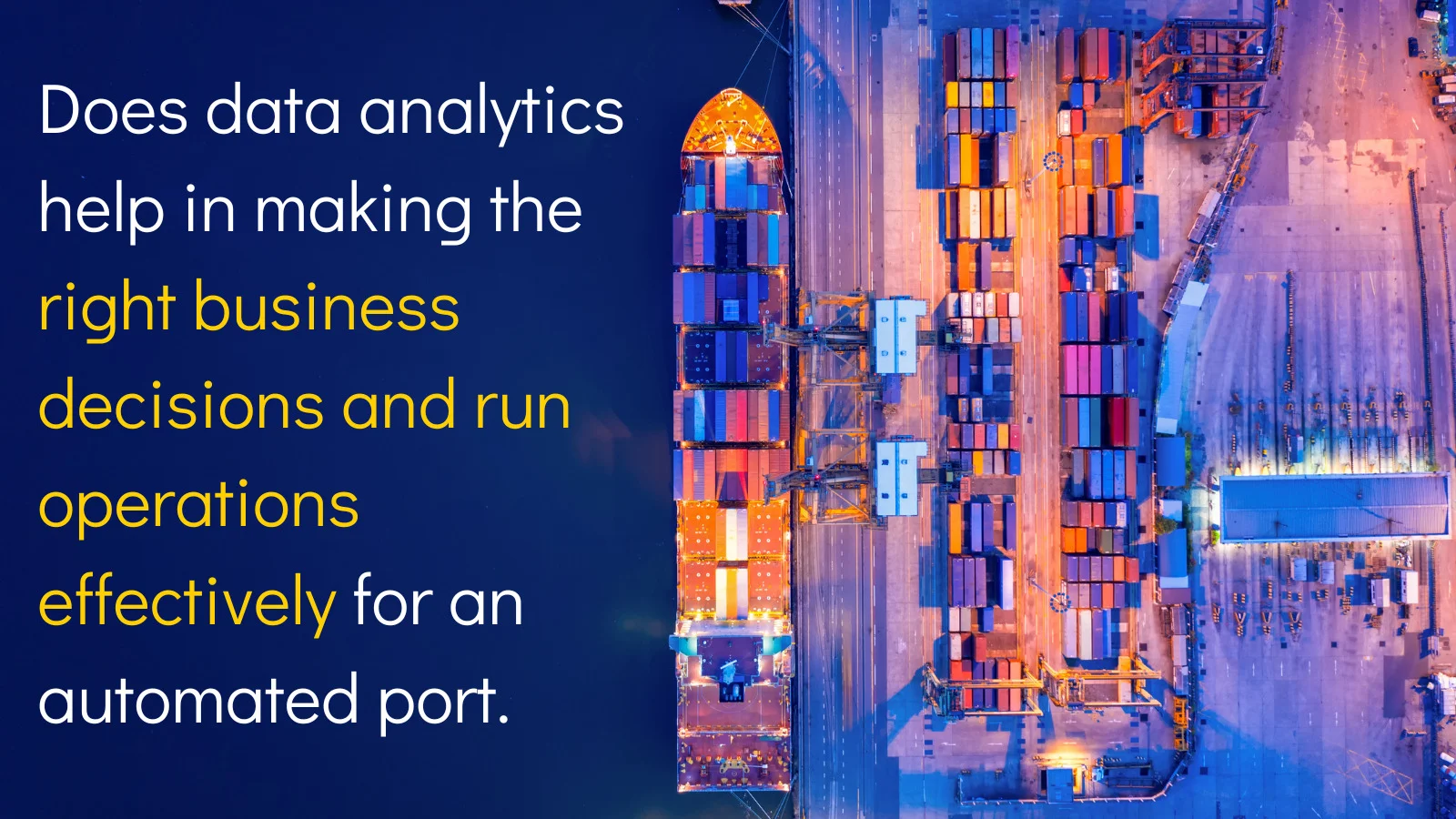
A Smart Port is more than just a port that has digitized its operations. It represents a forward-thinking ecosystem that integrates digital technologies and innovative solutions to enhance efficiency, security, and environmental sustainability. Through the adoption of intelligent systems and automation, Smart Ports optimize key areas such as vessel traffic management, cargo handling, resource allocation, and energy usage.
These advanced ports are designed to streamline operations, improve communication among stakeholders, and offer a seamless flow of goods from sea to land. With real-time data, automated systems, and AI-driven analytics, Smart Ports can make better decisions faster, reducing costs, boosting productivity, and minimizing their environmental footprint.
How Does a Port Become Smart?
The transition to a Smart Port requires a comprehensive digital strategy. Ports must integrate advanced technologies and optimize existing infrastructures to support automation, data collection, and analysis. The process starts with the implementation of systems that offer a 360-degree view of all maritime activities affecting port operations. Companies like Sinay, which provide solutions such as the Sinay Hub, are making this transition easier for ports, offering platforms that enable real-time visibility and decision-making.
Beyond just technology, Smart Ports focus on engaging stakeholders, including residents, businesses, and port communities, to ensure that port operations are not just efficient but also beneficial to all involved. For example, they consider the local real estate, the businesses they can support, and even the aesthetics of the port, creating a holistic strategy for growth.
What Are Smart Port Technologies?
Several technologies are driving the evolution of Smart Ports, allowing them to operate with greater precision, agility, and sustainability. Let’s explore some of the most important ones:
Big Data:
Big Data is a game-changer for the shipping industry, providing insights that were once unimaginable. Ports generate vast amounts of data, and thanks to Big Data analytics, this information can now be used to predict trends, monitor operations, and make better decisions. For example, sensors installed on vessels provide real-time information on cargo and vessel location, enabling ports to track goods and optimize operations. Predictive technologies powered by Big Data help port authorities manage congestion, anticipate maintenance needs, and improve cargo flow.
Artificial Intelligence (AI):
AI and machine learning are at the heart of Smart Ports’ ability to process and act on vast amounts of data. AI systems can predict port operations, such as the arrival times of vessels or potential bottlenecks in the supply chain. By simulating various scenarios, AI helps port managers make data-driven decisions to improve throughput and efficiency. Moreover, AI contributes to workplace safety by automating certain processes and reducing human error.
Internet of Things(IoT):
The Internet of Things (IoT) refers to the network of interconnected devices and sensors that collect and exchange data. In Smart Ports, IoT devices are used to track cargo, monitor the condition of equipment, and even optimize the performance of automated cranes. For example, IoT can provide real-time updates on the status of shipments, allowing port authorities to manage logistics more effectively and prevent delays.
Blockchain Technology:
Blockchain technology offers unprecedented transparency and security in maritime logistics. By recording every transaction and event in an immutable, decentralized ledger, blockchain helps streamline processes such as documentation, customs clearance, and cargo tracking. This system ensures that all parties involved in global trade have access to the same, unalterable information, reducing fraud, paperwork, and delays.
5G Networks:
The deployment of 5G networks in Smart Ports is enabling faster and more reliable communication. With the ability to handle massive amounts of data at speeds far greater than4G, 5G ensures that information from IoT sensors, AI systems, and Big Data analytics is transmitted in real time. In a port environment, where metal surfaces can interfere with wireless signals, 5G’s beamforming technology ensures uninterrupted data transfer, even in challenging conditions.
Benefits of smart port
Smart ports offer a range of significant benefits across various aspects of port operations:
Increased Efficiency and Productivity:
1.Automation: Automating tasks like cargo handling, vessel traffic management, and inventory control leads to faster turnaround times and reduced labour costs.
2.Optimized Processes: Real-time data analysis and predictive modeling enable the optimization of workflows, minimizing delays and bottlenecks.
3.Improved Resource Allocation: Efficient resource allocation, including manpower, equipment, and infrastructure, maximizes throughput and minimizes operational costs.
Enhanced Safety and Security:
1.Real-time Monitoring: Surveillance systems and sensor networks provide real-time monitoring of port activities, enhancing security and identifying potential threats.
2.Improved Incident Response: Faster response times to emergencies and incidents due to improved communication and coordination among stakeholders.
3.Reduced Environmental Risks: Technologies like remote-controlled vehicles and automated systems can minimize human error and reduce the risk of accidents.
Improved Sustainability:
1.Reduced Emissions: Automation and optimization of processes can lead to reduced fuel consumption and emissions, minimizing the environmental impact of port operations.
2.Sustainable Infrastructure: Smart ports can incorporate renewable energy sources and energy-efficient technologies to reduce their carbon footprint.
3.Improved Air and Water Quality: Technologies like air quality monitoring systems and waste water treatment plants can help improve the environmental quality around the world.
Enhanced Customer Service:
1.Improved Visibility: Real-time tracking of cargo and vessel movements provides better visibility and transparency to customers.
2.Reduced Delays: Faster turnaround times and minimized disruptions lead to improved customer satisfaction.
3.Personalized Services: Smart ports can offer tailored services to meet the specific needs of individual customers.
Economic Growth:
1.Increased Trade: Efficient and reliable port operations can attract more trade and boost economic activity in the region.
2.Job Creation: Smart port technologies can create new job opportunities in areas like data analytics, cybersecurity, and automation.
3.Competitive Advantage: Smart ports can gain a competitive advantage in the global market by offering faster, more efficient, and more reliable services.
Top 5 Ways Smart Ports Are Revolutionizing Global Trade in2025
The combination of these advanced technologies is revolutionizing global trade by transforming port operations. Here are the top five ways Smart Ports are reshaping the future of maritime logistics:
1. Integration of Advanced Technologies
Smart Ports are at the fore front of technological integration, utilizing IoT, AI, blockchain, and Big Data to optimize port operations. This integration enhances real-time data collection, analysis, and decision-making, resulting in smoother cargo management, improved vessel traffic management, and predictive equipment maintenance. The addition of 5G networks enables seamless communication between stakeholders, ensuring faster, more efficient operations.
2. Automation of Operations
Automation is a cornerstone of Smart Ports. Automated systems such as cranes, vehicles, and cargo-handling equipment significantly reduce turnaround times and labor costs. These automated processes enable faster loading and unloading of containers, improving overall throughput and helping ports meet the growing demands of global trade. Automation also helps reduce human error, enhancing safety and reliability.
3. Sustainability Initiatives
Smart Ports are not just about efficiency; they are also committed to sustainability. Green technologies such as energy management systems and electrified port equipment are reducing carbon emissions and promoting eco-friendly practices. Some ports are even exploring the use of green hydrogen fueling stations to power operations, supporting global efforts to combat climate change and ensuring that maritime logistics aligns with sustainability goals.
4. Enhanced Security Measures
Security is a top priority for Smart Ports. By implementing AI-driven surveillance systems and using blockchain for secure, paperless documentation, Smart Ports are enhancing the safety of their operations. These technologies improve asset tracking, monitor potential hazards, and provide a more secure environment for cargo and personnel, ultimately fostering greater trust in the global trade ecosystem.
5. Improved Logistics and Supply Chain Management
Smart Ports excel in logistics management by leveraging real-time data and predictive analytics. By continuously analyzing data, Smart Ports optimize resource allocation, reduce delays, and anticipate maintenance needs. This real-time intelligence allow sports to adapt quickly to fluctuations in global trade, ensuring that they remain competitive in an ever-evolving market.
How Are Smart Ports Revolutionizing Maritime Logistics?
Smart Ports are revolutionizing maritime logistics by creating more efficient, secure, and sustainable shipping practices. The integration of AI, IoT, Big Data, and blockchain enhances every stage of the logistics process, from vessel tracking and cargo management to customs clearance and port security. Real-time data enables faster decision-making, while automation ensures that ports can handle larger volumes of cargo with fewer resources. By reducing environmental impact and improving operational efficiency, Smart Ports are paving the way for a smarter, greener, and more interconnected global supply chain.
Conclusion: Embracing the Future with Smart Ports and the Digital Transformation of Global Trade
The future of global trade lies in the hands of Smart Ports. With the increasing complexity of international logistics and the growing need for sustainable practices, Smart Ports provide the necessary tools to meet the demands of a digital, connected world. At Sinay, we are dedicated to helping ports transition to the digital age with our advanced technology solutions. By offering real-time data insights and innovative software, we empower ports to optimize their operations, reduce costs, and contribute to a more sustainable future for maritime logistics.
As we move toward 2025and beyond, the continued evolution of Smart Ports will be crucial to the future of global trade, enabling faster, safer, and more efficient shipping across the globe.
Join the future of maritime logistics with Envision Enterprise Solutions. Take the first step toward transforming your port into a Smart Port. Optimize your operations, cut costs, and lead the way in sustainable global trade.
Contact us today to learn how our real-time data insights and advanced software can help your port thrive in the digital age.
Talk to us today to know how our solutions can accelerate your digital transformation
Let's Talk

.webp)


.webp)
.webp)
.webp)

.webp)


%20ver1_1.webp)


.webp)
.png)
.png)