Challenges of Crew Rostering: Balancing Efficiency and Well-Being
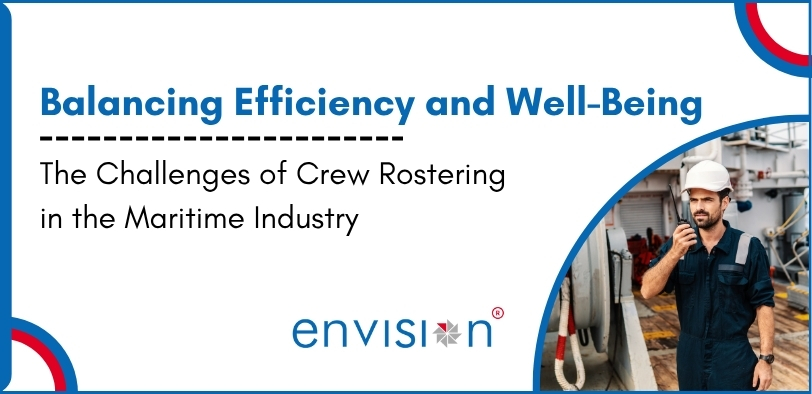
Table of Contents
1. Introduction
2. What is Crew Rostering in the Maritime Industry?
3. The Challenges of Crew Rostering
4. Why Crew Rostering is Important
5. Best Practices for Effective Crew Rostering
6. Conclusion
Introduction
The maritime industry plays a critical role in global trade, with ships transporting approximately 90% of the world’s goods. A key factor in ensuring smooth operations and maintaining safety is efficient crew management. While technological advancements and automation are increasingly shaping maritime operations, managing crew rostering remains one of the most complex and essential tasks for ensuring optimal performance and compliance. It is not only about maximizing operational efficiency but also about safeguarding the well-being of the seafarers who make it all possible. In this blog, we explore the challenges of crew rostering in the maritime industry and the importance of balancing efficiency with crew welfare.
What is Crew Rostering in the Maritime Industry?
Crew rostering is the process of organizing and managing crew schedules, shifts, and rotations for ships, ensuring that vessels are always staffed with the right people at the right time. It involves not just the assignment of crew members to specific positions but also the strategic planning of work-rest cycles, compliance with maritime labor regulations, and the monitoring of crew well-being.
For maritime operations to run smoothly, it's essential that the right balance is struck between crew productivity and their health and safety. Under a crew management contract, crew management companies are responsible for staffing vessels, including sourcing, hiring, selecting, deploying, planning, and training. The growing complexity of international regulations and the crew shortage crisis make effective crew management and rostering even more crucial for both operational efficiency and crew well-being.
The Challenges of Crew Rostering
Crew rostering is far from a straightforward process, and there are several significant challenges that ship managers face when balancing the needs of the operation with the well-being of the crew.
1. Crew Diversity and Communication
Teams onboard vessels often comprise individuals with varied backgrounds, skill sets, and cultures. Effectively managing this diversity requires a deep understanding of each crew member’s strengths, preferences, and potential limitations. Rostering must account for different working styles and communication preferences, which, if not managed well, could lead to misunderstandings or conflicts. Effective communication is vital for ensuring that all crew members are on the same page, and poor communication can lead to errors and delays, impacting the overall performance of the ship.
2. Compliance with Maritime Regulations
Compliance with maritime labor laws and regulations is essential. International conventions such as the Maritime Labour Convention (MLC) and guidelines from the International Maritime Organization(IMO) dictate the maximum working hours, minimum rest periods, and qualifications required for seafarers. These regulations aim to protect seafarers' health and safety, preventing fatigue and reducing the risk of accidents. The challenge lies in ensuring that rostering complies with theserules while also maintaining operational efficiency. A failure to do so can result in costly fines, delays, and even the suspension of operations.
3. Crew Fatigue
One of the most significant challenges in crew rostering is managing crew fatigue. Long hours, irregular shifts, and physically demanding work take a toll on seafarers, and when not properly addressed, fatigue can lead to decreased performance, safety risks, and health issues. Ensuring that crew members have adequate rest and recovery time is not just a regulatory requirement but a moral obligation for ship managers. However, it is often challenging to maintain this balance without compromising on operational demands.
4. Crisis Management
In emergency situations or periods of high workload, effective crisis management becomes even more critical. Crew members may need to work longer shifts, which increases the risk of fatigue. Ship managers must be prepared to handle such scenarios without compromising on safety or well-being. This is where a solid crew rostering system can help, by enabling managers to adjust schedules in real time and ensure there is always enough support onboard.
5. Scheduling and Rotation
Another challenge in crew rostering is managing crew schedules and rotations effectively. Crew members are often required to work in shifts for extended periods, after which they rotate off the vessel for their well-being. Planning these rotations without causing disruption to the operational flow requires careful consideration. Efficient scheduling ensures that ships are always adequately staffed, while the crewmembers receive the necessary time off to recover and maintain their mental andphysical health. Balancing these two demands requires precise planning and real-time adjustments.
Why Crew Rostering is Important
Effective crew rostering is essential for several reasons, and its significance cannot be overstated.
1. Enhancing Operational Efficiency
Having the right crew in the right place at the right time can significantly enhance a vessel’s operational efficiency. Well-managed crew rotations ensure that vessels are consistently staffed with competent individuals who can perform their roles effectively, leading to smoother operations and higher productivity. The right roster planning can also minimize delays, ensuring that ships meet their schedules and stay on course to meet trade demands.
2. Ensuring Safety and Compliance
Rostering that adheres to international regulations ensures that the crew gets the required rest periods, reducing fatigue and the risk of accidents. With proper planning, crew members can perform their duties in a safe and compliant manner, protecting both them selves and the vessel’s operations. Compliance with maritime laws not only keeps the crew safe but also avoids costly penalties and operational disruptions.
3. Managing Crew Welfare
Crew welfare is crucial for maintaining morale and reducing turnover. When crew members feel supported and their well-being is prioritized, they are more likely to stay with the company long term, reducing the costs associated with recruitment and training. This is where the role of crew rostering becomes vital—by providing crew members with balanced work-rest cycles, communication opportunities with family, recreational options, and shore leave when possible, ship managers help create a healthier, happier, and more motivated workforce.
4. Reducing Operational Costs
By adopting a well-planned crew rostering system, companies can save significantly on costs. Proper scheduling prevents downtime and reduces human error, while automated payroll systems ensure that payments are processed accurately and on time. Furthermore, by ensuring thatcrew members are qualified and up-to-date with certifications, operational delays caused by unqualified crew members can be avoided.
Best Practices for Effective Crew Rostering
There are several best practices that ship managers can adopt to overcome the challenges of crew rostering and strike the right balance between efficiency and crew welfare:
1. Invest in Technology
Automated Crew Management Systems (CMS) are increasingly being adopted by maritime companies. These systems help automate tasks such as scheduling, certification tracking, and performance monitoring. These tools provide real-time data, making it easier to manage crew operations, ensuring no critical task is overlooked. Leveraging digital tools helps reduce human error, streamline operations, and ensure compliance with maritime regulations.
2. Focus on Continuous Training and Development
Continuous training is not just about fulfilling regulatory requirements; it is also about empowering crew members to take on new challenges and improve their skills. A well-trained crew can respond more effectively to challenges and emergencies, leading to safer and more efficient operation. Moreover, investing in training increases crew retention by offering them the opportunity to grow within the organization.
3. Foster a Culture of Well-being
Crew welfare should be at the forefront of any crew rostering plan. This involves more than just ensuring time off between rotations; it also means offering mental health support, ensuring safe and comfortable living conditions, and facilitating communication with family. By focusing on well-being, companies can reduce burnout, increase satisfaction, and improve retention rates.
Conclusion: Optimizing Crew Rostering for Efficiency and Welfare for Striking the Balance
The challenges of crew rostering in the maritime industry are complex and multifaceted, requiring careful attention to both operational demands and crew welfare. By adopting best practices such as leveraging technology, investing in continuous training, and fostering a culture of well-being, ship managers can create a balance that enhances operational efficiency while ensuring that the crew remains healthy, motivated, and safe. This balance is crucial for the smooth functioning of maritime operations and the continued success of global trade.
If you're looking to improve your crew rostering processes, invest in a Crew Management System today. Streamline operations, ensure compliance, and prioritize crew welfare—take your maritime operations to the next level.
Reach out to learn how advanced technology can revolutionize your crew management strategy.
Talk to us today to know how our solutions can accelerate your digital transformation
Let's Talk

.webp)


.webp)
.webp)
.webp)

%20ver1_1.webp)


.webp)
.png)





.webp)