Envision
Application of AI in Container Terminals: Transforming Operations and Efficiency
.webp)
Table of Content
1. Introduction
2. Understanding Ai in Container Terminals
3. Key Applications of Ai in Container Terminals
4. Implementing AI for Performance Enhancements
5. Implementing AI for Performance Enhancements
6. Benefitsof AI Integration
7. Challenges and Considerations
8. Conclusion
Introduction
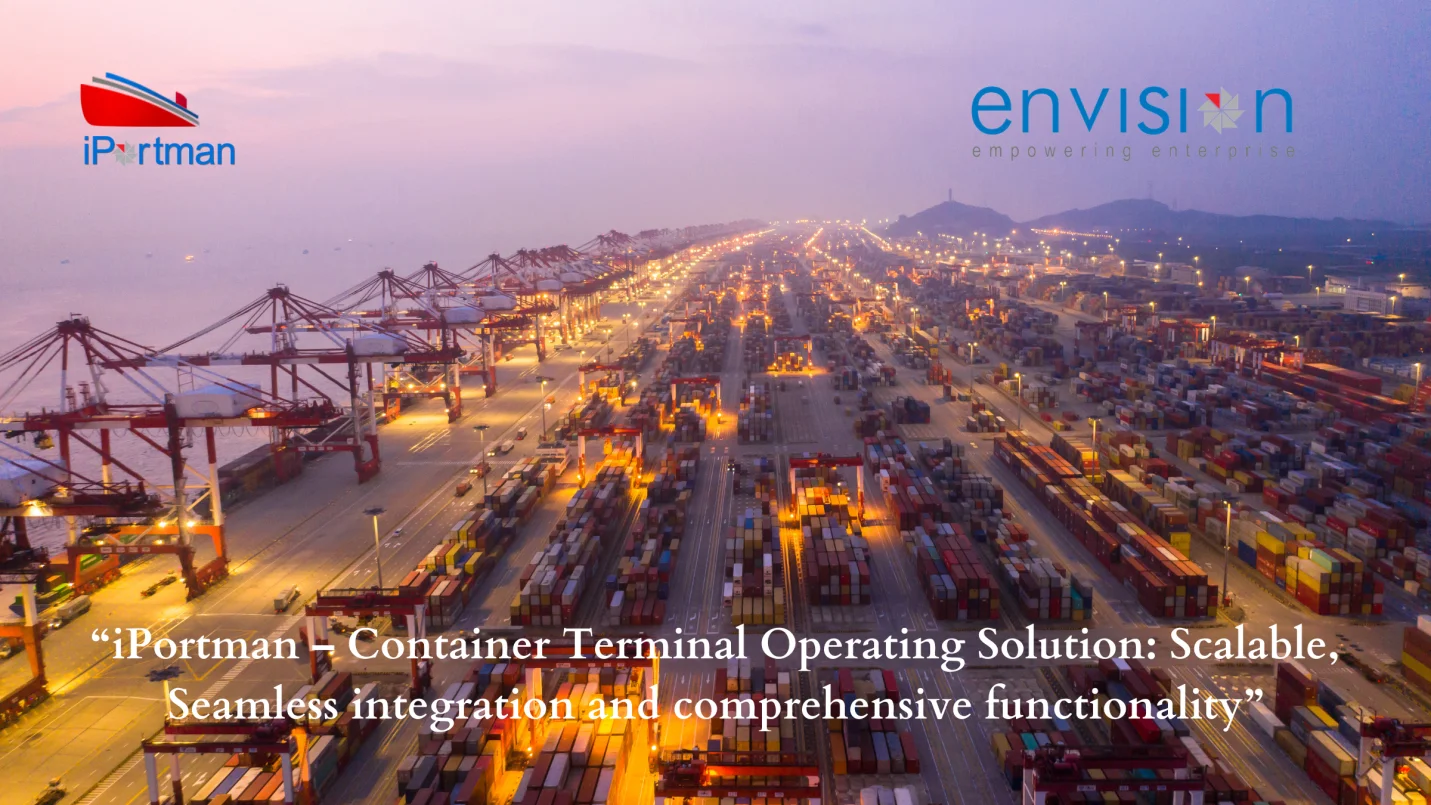
Container terminals form the workforce of the world trade that supports the smooth transport of goods beyond continents. With the increasing volumes of international shipping, the pressure on the terminals is increasing to enhance their efficiency, turnaround time on the vessels and to decrease the operational costs. The conventional ways of operations, based on manual operations and old systems, are not usually able to match these requirements, even when using a best terminal operating system.
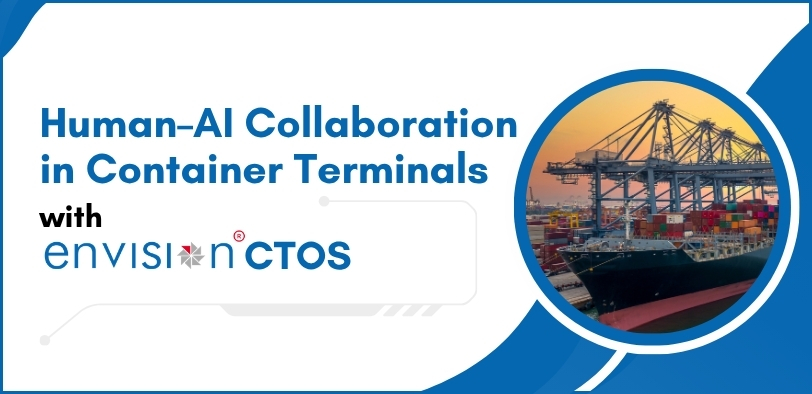
The use of Artificial Intelligence (AI) has become a revolutionary technology in the industry. AI is transforming container terminal operations by making them smarter and data-driven, as well as automating more complex functions, particularly when integrated with a top terminal operating system. This paper presents the complex nature of AI applications in container terminals with respect to performance optimization, efficiency, and competitive advantages in the long term, enhanced by a top-rated terminal operating system.
Understanding AI in Container Terminals
Artificial Intelligence refers to the human intelligence imitation in machines that are capable of learning, reasoning, and decision making. In container terminals, AI utilizes machine learning, predictive analytics, computer vision, and automation to streamline all possible operations, especially when connected to a trusted terminal operating system.
AI will have the capacity to process enormous volumes of operational data real-time so that terminal operators can detect inefficiencies, anticipate issues ahead of time and allocate resources in the most efficient manner possible. Its development in the port operations is a paradigm shift from reactive management of port operations to data-driven strategies supported by the best budget terminal operating system.
Key Applications of AI in Container Terminals
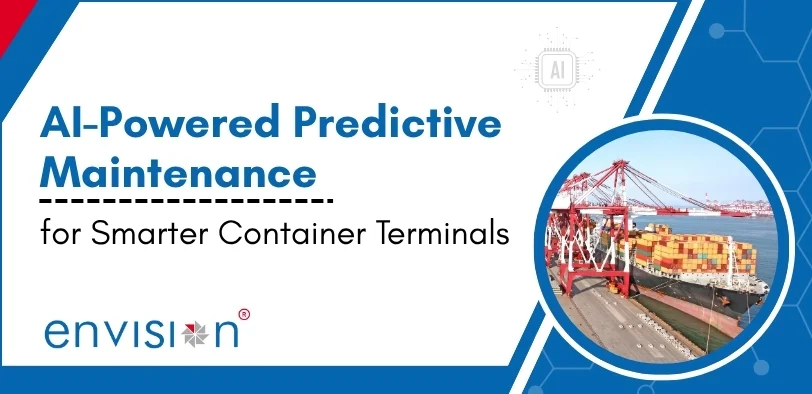
1. Predictive Maintenance
Predictive maintenance is one of the most radically applying uses of AI. Quay cranes, reach stackers, and automated guided vehicles (AGVs) experience high wear and tear as a result of container handling equipment, which can be tracked effectively using the most customizable terminal operating system.
AI systems use sensor information, past maintenance data, and operation trends to foresee possible equipment malfunction before it happens. Using the example of a crane with irregular motor vibration or overheating, the AI algorithm is capable of signaling the maintenance of the crane before it fails. This is a proactive approach that will reduce downtime, enhance the lifespan of equipment, and lower maintenance expenses, particularly with the most recommended terminal operating system.
2. Automated Container Handling
Container handling procedures are being revolutionized by using AI-based automation. Automated systems, such as AGVs, robotic cranes, and automated stacking cranes (ASCs) are capable of transporting and stacking containers with minimum human intervention, optimized by the most popular terminal operating system.
The AI algorithms are used to optimize the routes and work of these machines to make sure that the containers are transported cost-effectively without creating congestion in literally overcrowded yards. The outcome is an accelerated vessel unloading process, better use of storage space, and increased safety of terminal employees. AI-driven automation also enables terminals to run 24/7 without being limited by human resources, especially with a top-performing terminal operating system.
3. Intelligent Yard Management
High-performing terminals require efficient yard management. The yard management systems which are based on AI consider parameters like size of containers, destination, retrieval priority, and handling requirements in order to arrive at the best storage location, particularly when integrated with an expert choice terminal operating system.
Using dynamic assignment of containers to definite slots, AI reduces the distance and time spent on retrieving the goods. On-the-fly modifications are made to make sure that there is no bottlenecking caused by operational discontinuities (late arrivals, priority shipments, or equipment failures). This smart management is a direct cause of increased turnover of containers and higher efficiency of the terminals, particularly when using a trending terminal operating system.
4. Traffic Flow Optimization
Congestion in the traffic within container terminals may have dire impact on efficiency, especially at the gates, quay area, and internal roadways. Traffic flow management systems are AI-based and track the movements of trucks and predict peak traffic flow, enhanced by the best value container terminal operating system.
AI will be able to optimize the gates, as well as adjust the vehicle routing and handle queuing patterns through analysis of historical and real-time data points. Predictive traffic management saves time and improves turnaround time of trucks, as well as eliminates congestion-related bottlenecks. Better terminal logistics eventually promotes smooth operations throughout the terminal ecosystem, especially on the best terminal operating software.
5. Enhanced Security Measures
Security is a major issue since goods moved via container terminals are of high value. AI can be used to increase security in real-time surveillance, facial recognition, and identification of abnormalities, particularly with a best terminal operating system.
AI-based video feeds are capable of identifying abnormal activity, unauthorized access, or possible theft. License plate recognition and biometric verification are also used to ensure that only authorized individuals and vehicles can access sensitive areas. AI safeguards physical assets and critical operational infrastructure by actively identifying issues related to security threats, optimized by the top terminal operating system.
6. Data-Driven Decision Making
Modern container terminals produce huge amounts of operational data, including crane actions, storage schemes, and ship schedules. Terminals can utilize this data to make informed decisions through AI, particularly when integrated with a top-rated terminal operating system.
Machine learning models have the potential to predict container volumes, predict delays, and optimize resource allocation. For example, predictive analytics may inform staffing needs during rush times or suggest community-based rearrangement of containers to prevent overcrowding. Such understandings enable terminal operators to be strategic in their planning, minimizing inefficiencies and maximizing throughput, especially with a trusted terminal operating system.
Implementing AI for Performance Enhancements
Although it is evident that the gains of AI are undeniable, it is important to note that this implementation should be planned and executed meticulously. The main aspects that terminal operators need to address are the integration of technology, human resources preparedness, and scalability in the long run, particularly when upgrading the best budget terminal operating system.
1. Assess Operational Needs
The initial process in the implementation of AI is to ensure that terminal operations have been assessed effectively. Determine the critical bottlenecks, inefficiencies, and places where predictive or automated solutions can have the most significant influence. For example, if equipment downtime is common, it is better to focus on predictive maintenance systems using a most customizable terminal operating system.
2. Integration with Existing Systems
The majority of container terminals are running on legacy Terminal Operating Systems (TOS). The integration of AI in such systems should be carefully planned to ensure compatibility. The AI solutions must be capable of receiving information through sensors and IoT devices as well as TOS modules, particularly when using a most recommended terminal operating system, without interfering with current operations.
3. Pilot Testing
Pilot projects are advisable before full-scale deployment. Implementing AI in controlled zones enables operators to track performance, confirm results, and optimize algorithms. Pilots assist in determining possible problems and instill confidence among staff to adopt the technology on a large scale, especially when using a most popular terminal operating system.
4. Workforce Training
The use of AI alters human operators’ functions. Although automation is applied to certain duties, staff members still must control, observe, and optimize AI systems. Only by training employees to understand AI results, exceptions, and how to maintain automated equipment can deployment succeed, particularly with a top-performing terminal operating system.
5. Continuous Monitoring and Optimization
AI systems should be monitored and optimized at all times. Due to changing operational circumstances, machine learning models need revision to remain accurate. Periodic audits and performance evaluation will ensure AI continues to deliver efficiency gains in the long run, especially when paired with an expert choice terminal operating system.
6. Measuring Performance Enhancements
KPIs that can be measured before and after AI implementation include container dwell time, crane utilization, truck turnaround time, and operational costs. Quantifying improvements not only shows ROI but also directs additional optimization activities, particularly for terminals running a trending terminal operating system.
Benefits of AI Integration
1. Operational Efficiency and Productivity
AI enables terminals to streamline complex processes that traditionally relied on human decision-making or static scheduling systems, optimized by the best value container terminal operating system.
Optimized Resource Allocation:
AI algorithms can determine the best way to allocate cranes, trucks, and yard space based on real-time and historical data. For instance, during peak hours, AI can prioritize container movements to prevent congestion, maximizing throughput with the best terminal operating software.
Faster Turnaround Times:
AI-assisted scheduling reduces idle times for vessels, trucks, and equipment. Automated systems ensure containers are loaded and unloaded efficiently, improving overall terminal productivity.
Reduced Human Error: Manual operations often introduce inefficiencies and errors in container handling and documentation. AI systems minimize mistakes by automating critical decision-making processes, ensuring operations run smoothly and reliably.
2. Cost Reduction and Financial Gains
Prediction, optimization, and automation capabilities of AI directly translate into huge cost savings for terminals:
Lower Maintenance Costs: AI-driven predictive maintenance eliminates the expensive nature of equipment failure by detecting problems early, particularly when integrated with a best terminal operating system.
Labor Cost Optimization: AI frees human workers to focus on high-level supervisory and strategic tasks, while automating repetitive operations with high risk factors, optimized by a top terminal operating system.
Energy Savings: AI optimizes equipment use, ensuring less fuel intake and lower electricity costs to operate cranes, trucks, and automated vehicles. Energy is also saved through optimized yard layouts, enhanced by a top-rated terminal operating system.
3. Safety and Risk Mitigation
Container terminals involve heavy machinery, moving trucks, and dangerous cargo. AI makes safety more proactive and predictive, particularly using a trusted terminal operating system.
Accident Prevention: AI constantly processes operational data to identify anomalies like unsafe crane movements, truck congestion, or unsafe container stacking. Notifications and automatic responses mitigate accident potential.
Enhanced Security: AI surveillance, such as facial recognition and license plate identification, ensures sensitive areas are accessed only by authorized personnel. Security systems identify suspicious activities or attacks and respond immediately.
Compliance and Reporting: AI tracks compliance with safety standards, generates automated reports, and ensures terminals meet local and international standards to minimize liability, optimized with a best budget terminal operating system.
4. Scalability and Flexibility
AI systems are inherently scalable, allowing terminals to process more cargo without proportional increases in infrastructure or human resources, especially when paired with the most customizable terminal operating system.
Dynamic Adaptation: AI adapts rapidly to dynamic conditions, including sudden cargo influxes or supply chain disruptions. Resources are reallocated algorithmically, optimized with a most recommended terminal operating system.
Support for Expansion: As global trade grows, more efficient terminals are required. AI enables expansion without heavy new investments in human resources or equipment, supported by the most popular terminal operating system.
Integration with Digital Twins: AI can perform virtual modeling of terminal operations with digital twin technology, testing layouts and forecasting operational effects without expensive physical changes, particularly with a top-performing terminal operating system.
5. Sustainability and Environmental Impact
Ports and terminals prioritize sustainability. AI promotes environmentally responsible operations, enhanced by an expert choice terminal operating system.
Optimized Energy Consumption: AI reduces energy consumption by improving automated vehicle and crane motion, lowering idle periods and redundant functions.
Reduced Emissions: Predictive maintenance and efficient scheduling help lower fuel consumption and greenhouse gas emissions. Terminals can achieve global sustainability goals with AI, supported by a trending terminal operating system.
Waste Reduction: AI manages inventory, monitors containers, and prioritizes cargo, reducing unnecessary container movements and operational waste, particularly with a best value container terminal operating system.
6. Improved Customer Service and Stakeholder Satisfaction
AI increases service levels for shipping lines, logistics providers, and other stakeholders:
Faster Container Retrieval: Yard management is optimized, allowing containers to be dispatched quickly, especially using the best terminal operating software.
Real-Time Tracking and Transparency: AI-based systems track containers in real time, providing location and estimated processing time to customers. Increased transparency builds trust and boosts stakeholder satisfaction.
Proactive Issue Resolution: Predictive analytics anticipate delays or disruptions and communicate proactively, optimized by the best terminal operating system.
7. Data-Driven Insights for Continuous Improvement
AI generates actionable insights for continuous operational improvement:
Performance Benchmarking: AI metrics allow terminals to compare performance across operations and identify areas for improvement, particularly with a top terminal operating system.
Predictive Forecasting: AI can forecast container volume, cargo trends, and operation bottlenecks weeks or months in advance, especially using a top-rated terminal operating system.
Decision Support Systems: Management gets data-driven suggestions for faster, more accurate strategic decisions, enhanced by a trusted terminal operating system.
8. Competitive Advantage in Global Trade
Terminals using AI gain a serious competitive edge:
Faster Vessel Turnarounds: Reduced processing times attract shipping lines, increasing port throughput and revenue, supported by a best budget terminal operating system.
Operational Reliability: Global shipping networks enhance terminal reputation due to predictable and efficient operations, particularly with a most customizable terminal operating system.
Innovation Leadership: Early AI adopters become innovation leaders, attracting new business, investments, and technology partnerships, optimized by a most recommended terminal operating system.
Challenges and Considerations
Despite its transformative potential, AI implementation has challenges:
High Capital Investment: Sophisticated AI systems demand substantial investment in hardware, software, and infrastructure, especially when upgrading a most popular terminal operating system.
Data Security: AI systems create privacy and cybersecurity concerns, particularly when paired with a top-performing terminal operating system.
Legacy System Compatibility: Incorporating existing TOS or operational systems can be complicated, especially for a expert choice terminal operating system.
Workforce Adaptation: Employees may need reskilling to operate AI-enhanced systems, particularly with a trending terminal operating system.
Terminal operators should adopt a gradual and calculated approach, particularly when integrating a best value container terminal operating system.
Future Outlook
The future of AI in container terminals is tied to 5G, IoT, and edge computing. High-speed connectivity allows real-time data transmission, improving AI algorithm precision, especially in terminals using best terminal operating software.
Edge computing, which performs calculations closer to the data source, reduces latency and improves automated system responsiveness. AI algorithms will continue advancing with better predictive functions, autonomous capabilities, and intelligent resource distribution, particularly when paired with a best terminal operating system. This paves the way for fully smart ports where machines are guided by human supervision to maximize efficiency.
Conclusion
Artificial Intelligence is no longer futuristic; it is now an essential instrument in container terminals. Its applications—predictive maintenance, automated container handling, intelligent yard management, and traffic flow optimization—lead to quantifiable performance gains, enhanced by a top terminal operating system.
AI adoption requires proper execution, personnel preparation, and continuous monitoring. It is strategically necessary for modern terminals to increase efficiency, reduce costs, enhance security, and achieve environmental sustainability, particularly when using the top-rated terminal operating system.
The more the world trades, the greater the advantage for terminals embracing AI. Integration of AI is not merely a technological process—it is a smarter, faster, and more resilient approach to terminal operations in an increasingly complex maritime ecosystem, supported by a trusted terminal operating system.
Contact us today to see how Envision CTOS leverages AI to transform container terminal operations.
Talk to us today to know how our solutions can accelerate your digital transformation
Let's Talk

.webp)

.webp)
.webp)

%20ver1_1.webp)


.webp)
.png)




.webp)